What the Law Actually Says
Indonesia's Narcotics Law No. 35 of 2009 classifies DMT — ayahuasca's active compound — as a Class I narcotic, with no exception for traditional or ceremonial use.
BALI · LEGAL STATUS GUIDE
An independent, non-affiliated guide to Indonesia's narcotics law, the real risks of underground ceremonies, and the legal wellness alternatives available across Bali.
A yahuasca has become one of the most-searched wellness terms tied to Bali, but the island's own narcotics law makes no exception for it. This guide exists to give travelers a clear, sourced answer before they book anything — not to sell a ceremony.
Every legal claim here traces back to Indonesia's Narcotics Law No. 35 of 2009 and publicly reported enforcement, so the guidance reflects the law as it actually stands, not marketing copy from retreat operators.
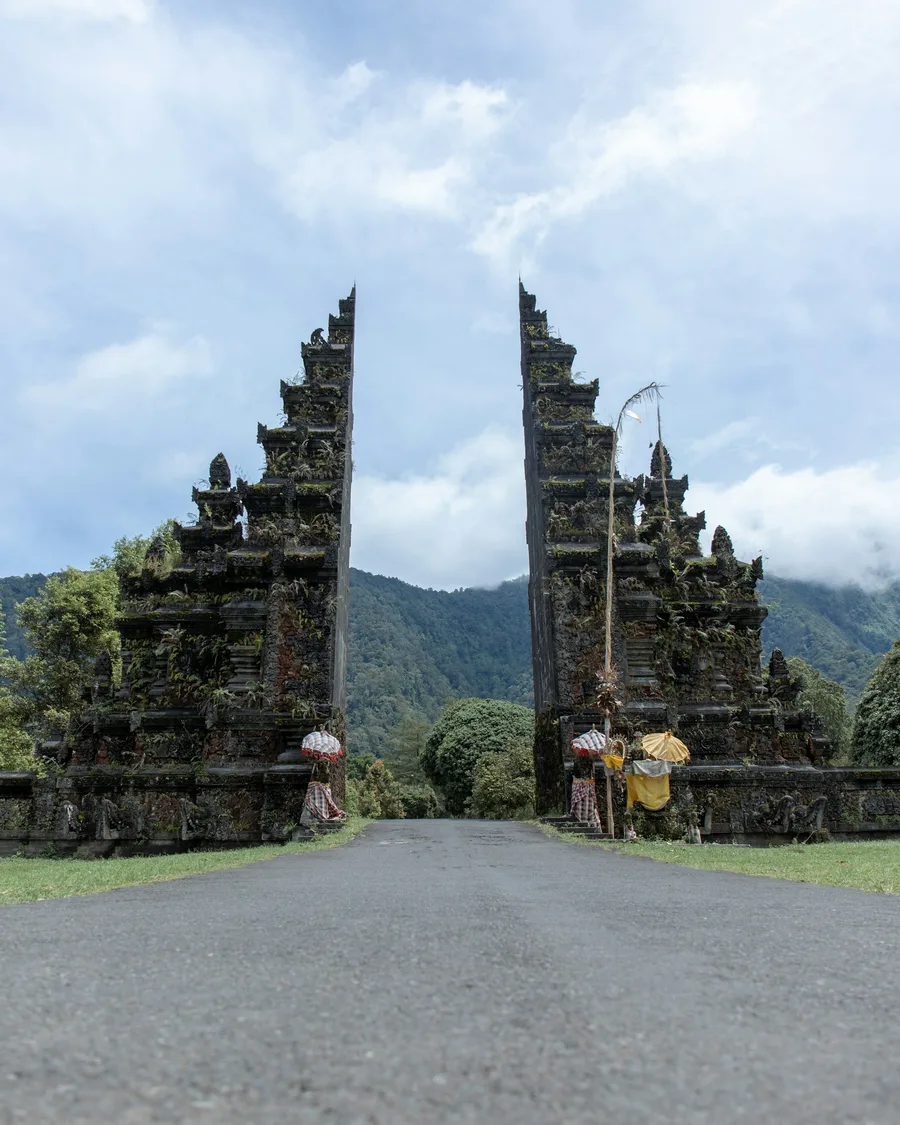
No booking form, no ceremony to sell — just what the law says and what to do instead.
Every legal claim traces back to Indonesia's Narcotics Law No. 35 of 2009, not a retreat operator's marketing page.
We report the real risks of underground ceremonies plainly — legal, medical and ethical — because no one selling a retreat will.
Breathwork, meditation and sound healing are legal and available across Bali, and covered here in the same depth as the legal question.
This guide is not run by, or paid by, any retreat operator in Bali or abroad. There is nothing here to book.
Start Here
Five questions worth answering before you consider any retreat tied to Bali.
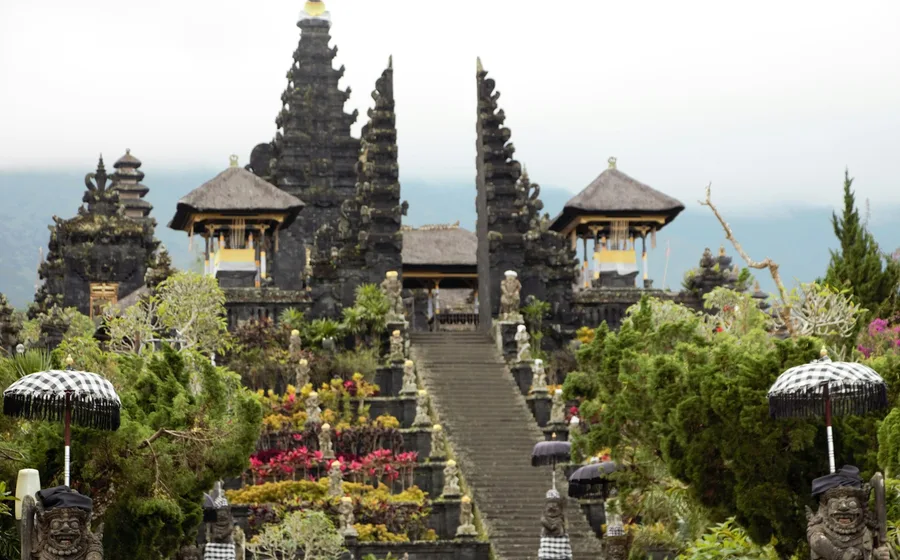 Legal Status in Indonesia
What Indonesian law actually says about ayahuasca and DMT, in plain terms.
Legal Status in Indonesia
What Indonesian law actually says about ayahuasca and DMT, in plain terms.
 Risks of Underground Ceremonies
The legal, safety and ethical risks worth knowing before considering an unlicensed ceremony.
Risks of Underground Ceremonies
The legal, safety and ethical risks worth knowing before considering an unlicensed ceremony.
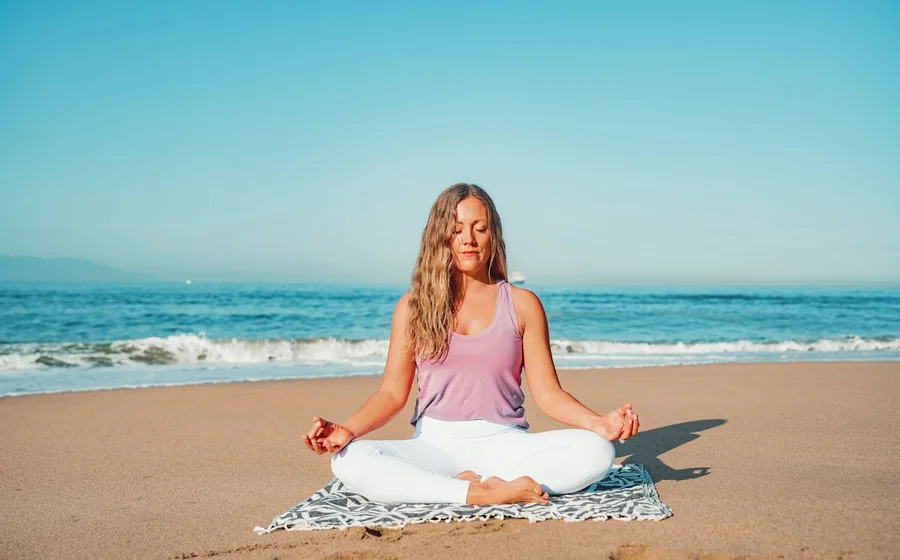 Legal Wellness Alternatives
Breathwork, meditation and sound healing: what they cost, where to find them, and how they compare.
Legal Wellness Alternatives
Breathwork, meditation and sound healing: what they cost, where to find them, and how they compare.
 Retreat Due-Diligence Checklist
What to verify before trusting any retreat's claims about legality, facilitators or safety.
Retreat Due-Diligence Checklist
What to verify before trusting any retreat's claims about legality, facilitators or safety.
 Where It's Legal Abroad
Peru, Costa Rica and the Netherlands each allow ayahuasca under a different legal framework.
Where It's Legal Abroad
Peru, Costa Rica and the Netherlands each allow ayahuasca under a different legal framework.
Before You Book Anything
Minimum due-diligence for any wellness retreat, in Bali or abroad.
Confirm the practice is actually legal where the retreat operates — not just described as "traditional" or "safe."
Research their training, background and any certifications, not just how confident they sound online.
Look across more than one source. Be wary of glowing testimonials with no specific, checkable detail.
A legitimate operator should be transparent about what is actually being used and where it comes from.
Medical screening, emergency plans and qualified support should be explained upfront, not after you ask.
This checklist applies to any wellness retreat, not only ones involving ayahuasca.
Indonesia is not the only place this comes up. Retreats abroad in the countries below typically range from $300 to $1,500 depending on duration and format.
Indonesia
Not Legal
DMT is a Class I narcotic. Possession can carry a minimum five-year prison term.
Peru
Legal
Ayahuasca use is tied to recognized indigenous tradition and operates within licensed retreat centers.
Costa Rica
Legal
Retreats operate in regulated settings that emphasize safety and post-ceremony integration.
Netherlands
Decriminalized
Personal use falls under a decriminalized framework rather than full legalization.
Two things worth understanding before anything else.
Indonesia's Narcotics Law No. 35 of 2009 classifies DMT — ayahuasca's active compound — as a Class I narcotic, with no exception for traditional or ceremonial use.
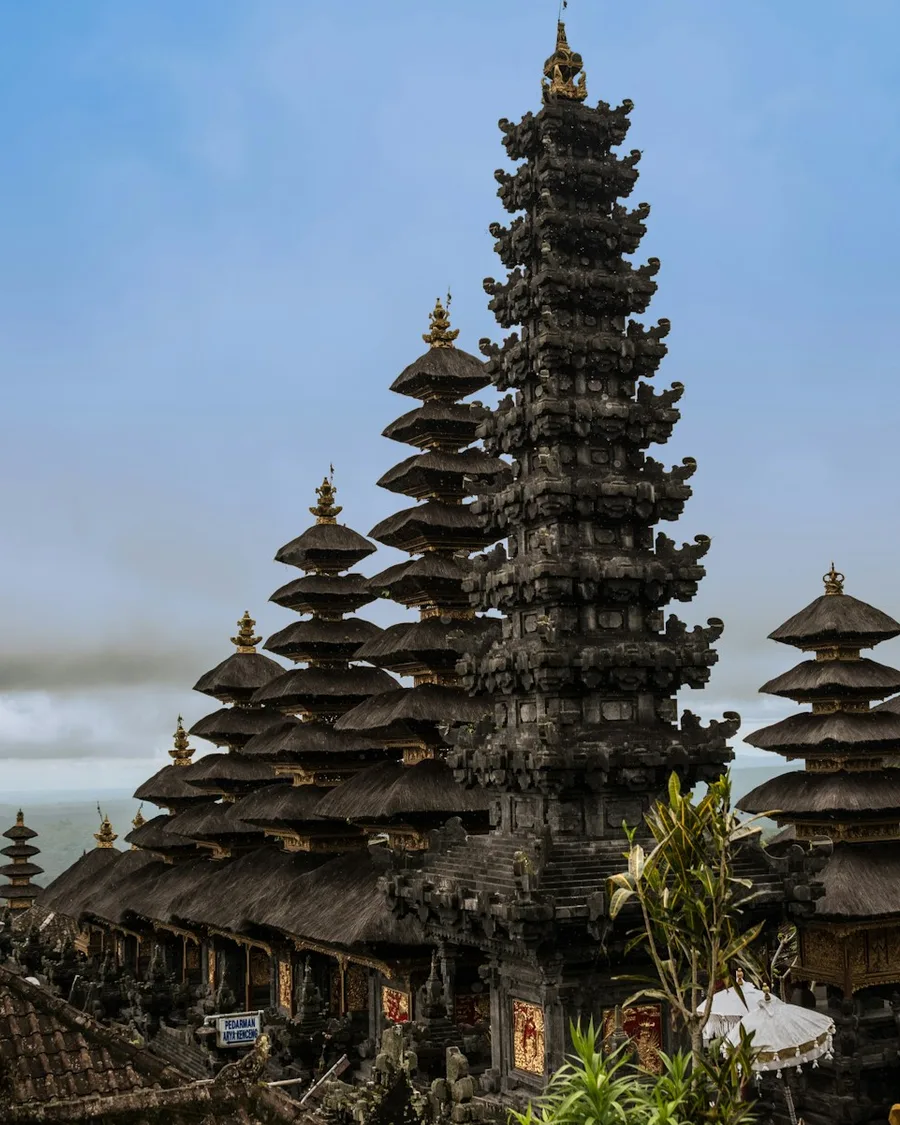
Indonesian authorities have prosecuted underground ceremony organizers and participants in past cases. Being told a ceremony is "safe" does not change its legal status.
The island's wellness culture runs much deeper than any one plant medicine.
Before You Read Further
Get the complete, sourced breakdown of Indonesian law, real enforcement risk, and every legal wellness alternative covered on this site.
Planning more of your trip? Explore luxury Bali private transport to round out your plans.